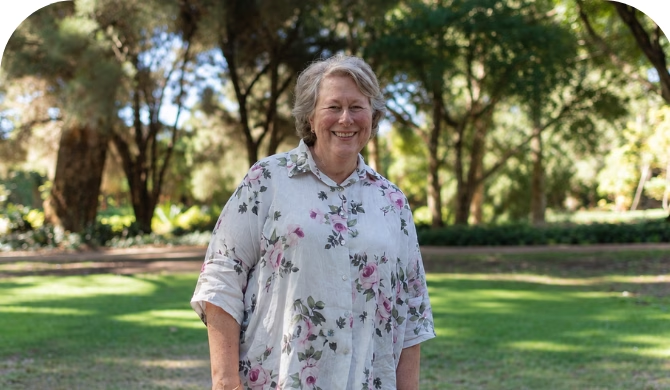
Sally’s Story
Sally shares what it means to be a caregiver and navigate the recovery journey alongside someone you love.
What happened?
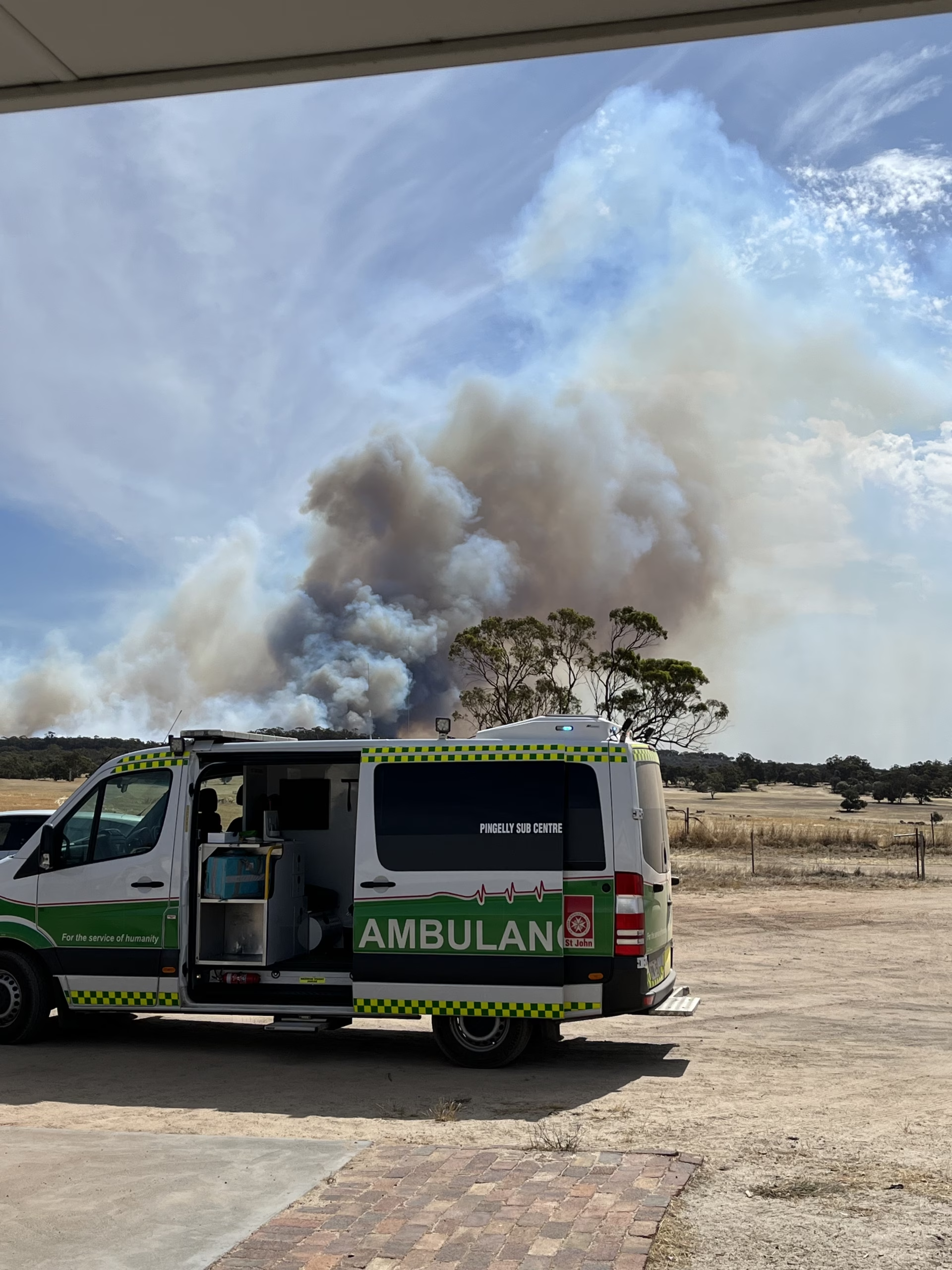
In December 2023, Tim Haslam was completing the harvest on the family’s grain farm near Popanyinning, in Western Australia’s Wheatbelt, when he was critically injured in a farm fire.
Their employee, Noel, found Tim crawling from the fire and immediately began cooling his burns. He sprayed water from the farm fire unit onto Tim as he drove him in the ute back to the house, then helped him under the outdoor shower, where cooling continued until emergency services arrived.
For Sally, the first indication that something was wrong came through a phone call from their daughter.
“Our daughter rang to say Tim had been burned,” she recalls. “Then our workman’s wife rang to say his injuries were severe.”
Sally was about 30 minutes away. By the time she arrived home, local volunteer ambulance officers and paramedics were treating Tim, with Noel still at the scene.
“Because of Tim’s injuries, the ambos kept me away, which I am so thankful for,” Sally says.
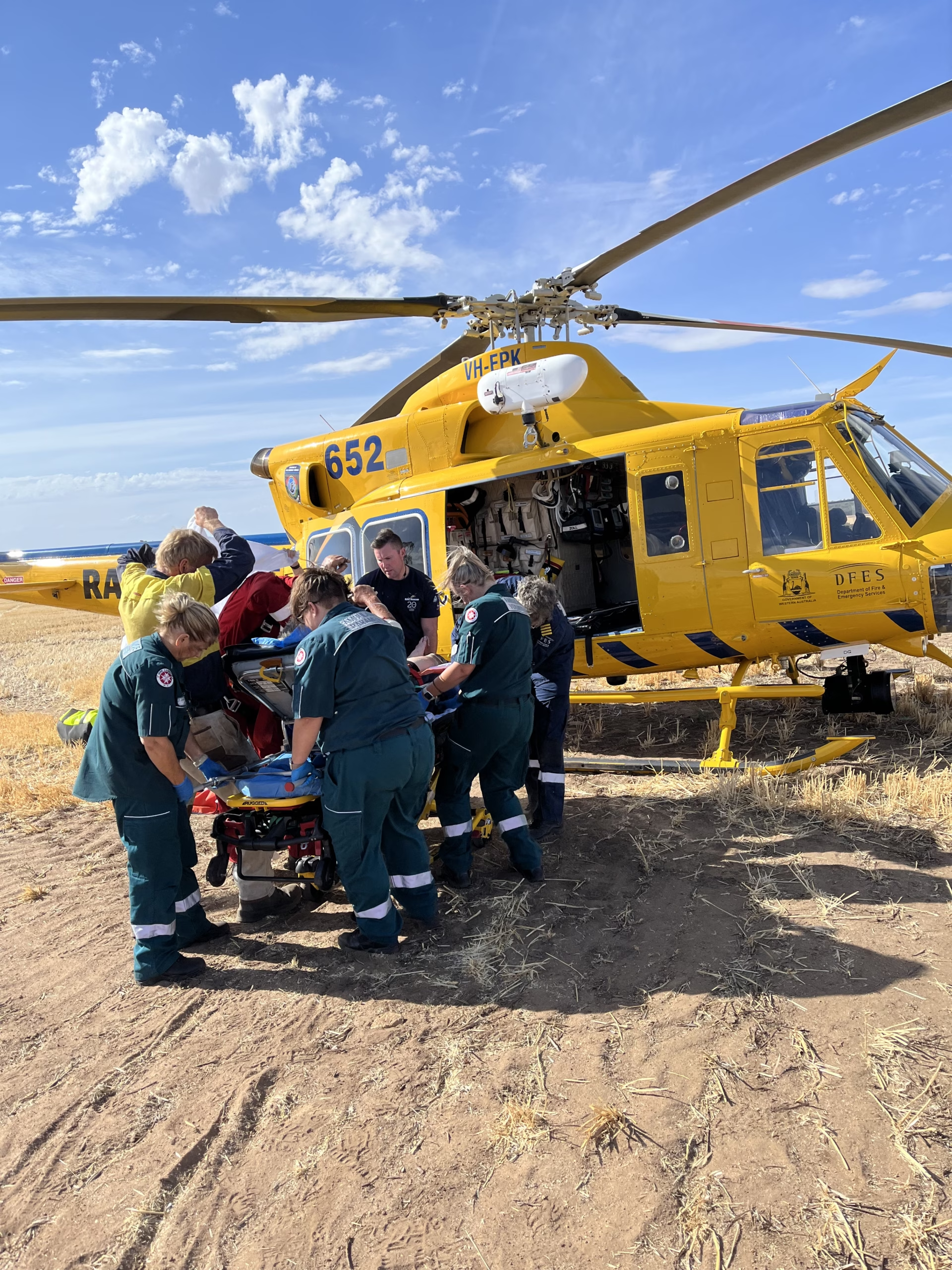
Given the severity of his injuries and the distance from specialist burns care, Tim was airlifted by the RAC Rescue helicopter from the Wheatbelt to the State Burns Service at Fiona Stanley Hospital in metropolitan Perth.
Treatment and recovery journey
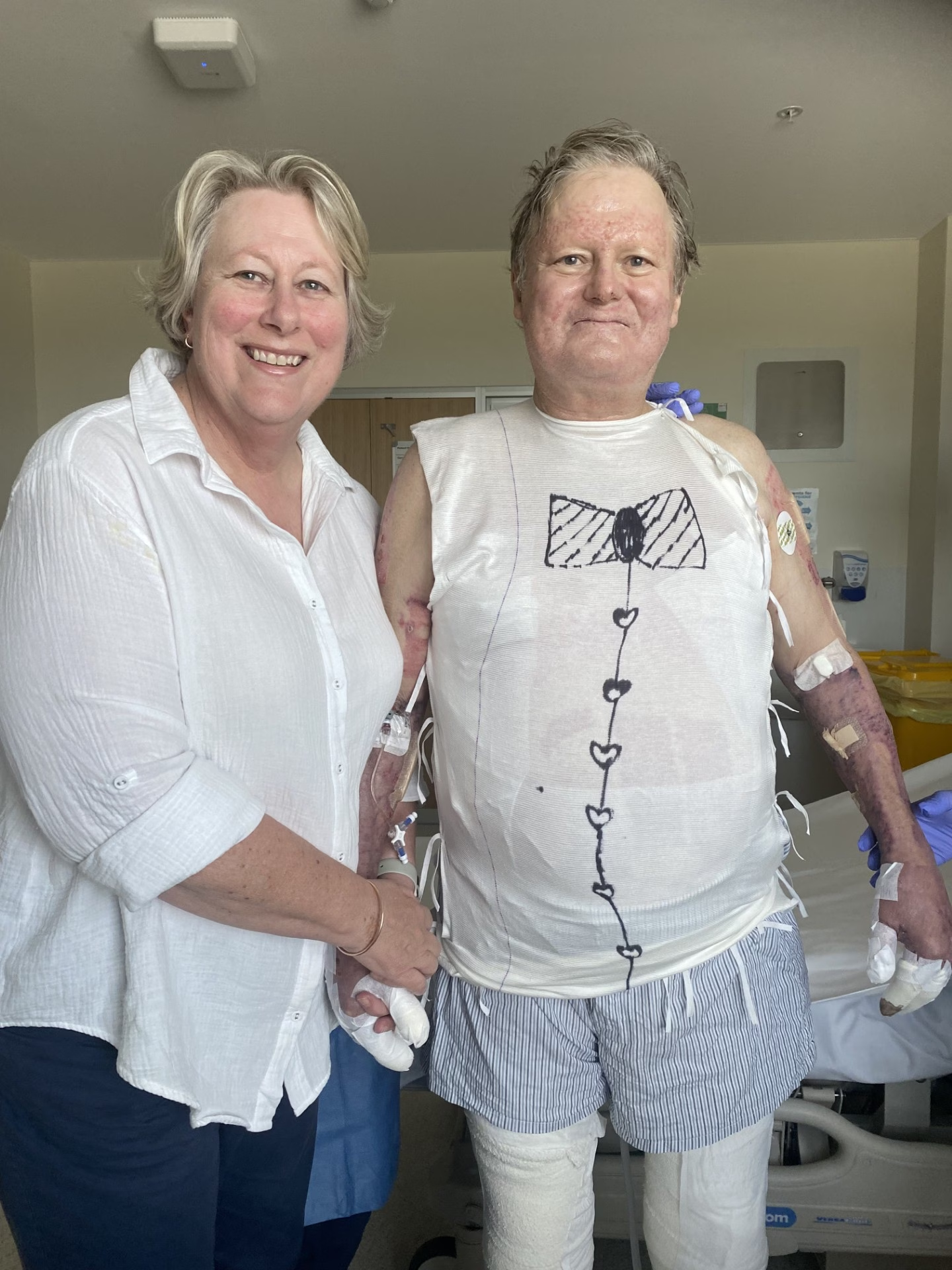
Tim spent 10 days in the Intensive Care Unit, followed by 74 days in the Burns unit at FSH. He has since undergone more than 11 surgeries, with further procedures planned for his hands.
“Recovery has been incredibly challenging, but being surrounded by the incredible staff at the Burns unit gave me confidence to face each day. Their expertise and care have been instrumental in my progress, and I cannot thank them enough.” – Tim Haslam
For Sally, the scale and complexity of Tim’s injuries were difficult to comprehend and come to terms with.
“I had no reference point,” she says. “None of it was recognisable.”
After Tim’s initial stay in intensive care, Sally spent hours at the hospital most days. She made a point of being present for the multidisciplinary team’s afternoon rounds so she could understand Tim’s progress, the planned treatment, and what the next 24 hours might involve.
As his condition improved, Sally became increasingly involved in his care. Burns to Tim’s hands meant he needed help with meals. On the occupational therapy team’s advice, she placed photographs of family and friends around his room to provide comfort during the most difficult periods.
Whenever he was well enough, she wheeled him outside to feel the breeze and spend time away from the ward.
“By being there every day, I could see the improvements, no matter how small,” Sally says. “I could also notice issues he might have been hiding from the nurses.”
The Caregiving Journey
As Tim progressed towards discharge, Sally learned how to manage his wound dressings and apply his pressure garments. She worked closely with the clinical team so his treatment and rehabilitation could continue safely at home.
Some aspects of caring could not be anticipated or taught.
At one stage, medication caused Tim to experience vivid hallucinations. He believed a bobtail lizard was biting his feet and could feel the pain as though it were real.
“I would rub his feet for hours to let him know there were no bobtails there,” Sally recalls. “That type of reactionary care evolves as burns recovery unfolds.”
When Tim returned home, Sally managed his dressings, showering, clothing, medications, meals and daily care until he gradually regained his independence.
The relentlessness of recovery was one of the greatest challenges. Sally also became the gatekeeper for visitors, protecting Tim’s limited energy while keeping family and friends informed.
Over time, she learned that caring for herself was also essential.
“Taking a break is important,” she says. “Knowing when you need that break is just as important.”
Life now
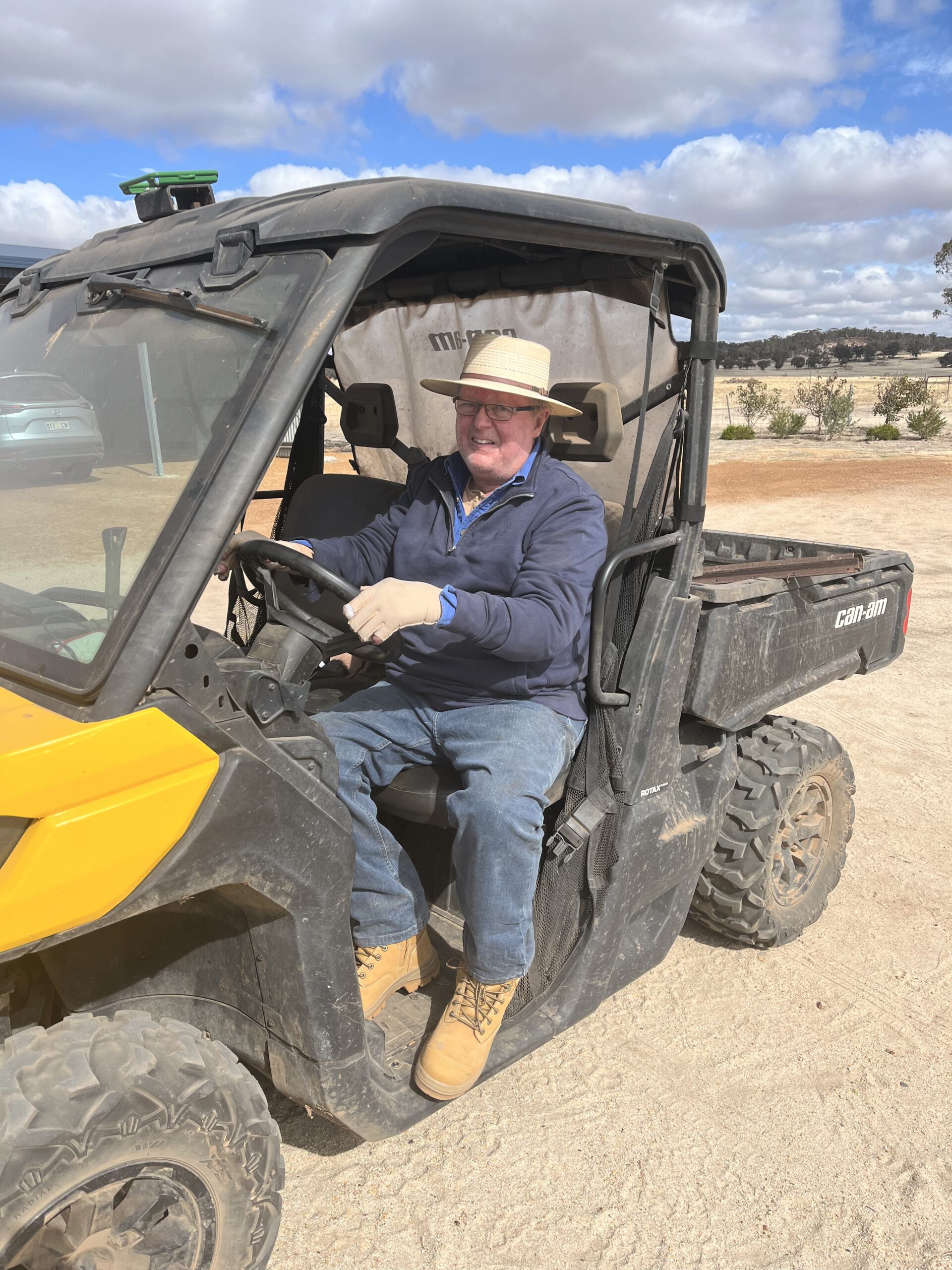
Today, Tim is fully independent, although he continues to manage mobility restrictions and undergo further procedures as part of his recovery.
He now shares his experience through the Fiona Wood Foundation, the Department of Fire and Emergency Services and volunteer firefighting groups, helping others understand burn prevention, first aid and the realities of recovery.
For Sally, the experience highlighted the vital role families and carers play throughout the recovery journey.
Her advice to others comes from lived experience.
“Take it one day at a time. Don’t be frightened to ask questions, accept support when it is offered, and be kind to yourself.”