

Childhood Health and Immunity Post-burn (CHIP)
Why are we doing this study?
Previous research in children with burn injuries indicates that burn injury can impact the immune system, causing it to not function as well as it should. Vaccines enhance your immunity and shield you from illnesses. However, burn injuries might impact vaccine effectiveness, and analysing blood samples can help us investigate the reasons behind it.
This study aims to understand the long-term impacts of burn injuries on the immune system, particularly focusing on identifying potential immune deficiencies in children who have sustained a burn injury.


What is involved in participating in the study?
If you and your child agree to participate in this study, all visits will take place at Perth Children’s Hospital, and the following will occur:
At the first Visit
These vaccines are part of the Year 7 school immunisation program, so participation in this study means your child will be up-to-date and will not need to receive them at school. When your school sends out the consent form there is an option to decline on the online consent form.
This ensures that the SBIP nursing staff are aware of your choice, and you will not receive a follow-up call. Your dependant will not receive any vaccines if you have selected this option.

VaccinateWA frequently asked questions
View Questions
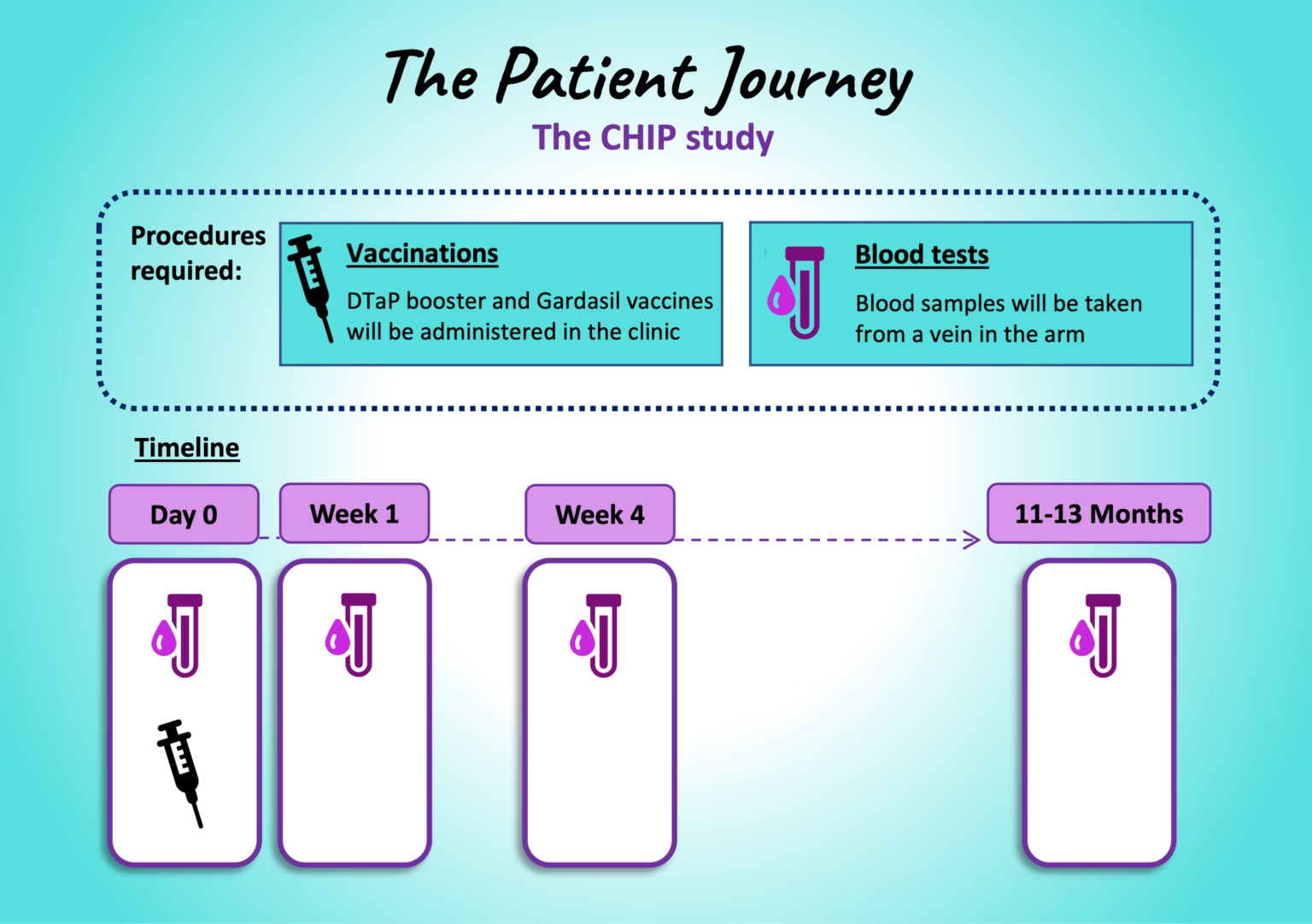
A baseline blood sample will be collected.

A parent or caregiver must attend this visit with the participant.
Your child will receive a standard dose of the DTaP booster vaccine and the Gardasil vaccine.
Follow-Up Blood Samples
Additional blood samples will be collected at:

1 week after vaccination

4 weeks after vaccination

11–13 months after vaccination
If your child is participating with a friend, there is an option to attend follow-up visits together, accompanied by one adult—a great way to carpool and make the visits easier!
These samples will help us analyse immune cell function before and after vaccination and track any changes over a 12-month period.
Participation Information Sheets and Consent Forms
Burn Injury Group
Uninjured Participants – Control Group
Parent Information Sheet and Consent Form
Burn Injury Group
Parent Information Sheet/Consent Form
Control Group
Participant Information Sheet and Consent Form
Burn Injury Group
Participant Information Sheet/Consent Form
Control Group
Burn Injury Group
Parent Information Sheet and Consent Form
Burn Injury Group
Participant Information Sheet and Consent Form
Burn Injury Group
Uninjured Participants – Control Group
Parent Information Sheet/Consent Form
Control Group
Participant Information Sheet/Consent Form
Control Group
Ethics Approval
All research in Australia involving humans is reviewed by an independent group of people called a Human Research Ethics Committee (HREC). The ethical aspects of this research project have been approved by the HREC of the Child and Adolescent Health Service (RGS6700). This project will be carried out according to the National Statement on Ethical Conduct in Human Research (2023). This statement has been developed to protect the interests of people who agree to participate in human research studies.

Approved by Child and Adolescent Health Service ethics committee RGS number: 000000S988 v.1 03/09/2024.